


Yarn Bee Wrapology Hues – Self-Striping Gradient Yarn
We designed Yarn Bee Wrapology Hues for crocheters and knitters who love effortless color play without the hassle of changing skeins. This self-striping yarn features smooth gradient transitions that flow from one hue to the next, creating stunning ombré effects in wraps, shawls, scarves, and cardigans.
The soft, medium-weight blend drapes beautifully for accessories and garments that need movement and flow. Each skein holds generous yardage, so you can complete full-size wraps and scarves with minimal ends to weave in. Whether you're working a simple garter stitch shawl or a lace wrap, Wrapology Hues does the color work for you—just stitch and watch the gradient unfold.
- Self-striping gradient colorways with smooth hue transitions
- Soft, drapey medium-weight yarn ideal for wraps and accessories
- Generous yardage per skein for fewer joins on large projects
- Easy-care acrylic blend—machine washable and dryable
- Smooth texture works well with both knit and crochet stitches
Fiber Content & Care Instructions
Yarn Bee Wrapology Hues is crafted from 100% acrylic, giving you the softness and drape of natural fibers with the easy-care convenience of synthetic materials. The smooth, plied construction resists splitting on your hook or needles, making it beginner-friendly while still delivering professional results.
Care is simple: machine wash warm on a gentle cycle and tumble dry low. The fiber holds its color vibrancy wash after wash, so your gradient projects stay vibrant through regular wear. We recommend using a lingerie bag for delicate lace projects to prevent snagging. This yarn is ideal for accessories that see frequent use—scarves, cowls, and shawls that need to be tossed in the wash without special treatment.
Weight, Yardage & Recommended Gauge
Wrapology Hues works up as a versatile #4 medium-weight yarn, sitting comfortably in the worsted category. Each skein offers approximately 355 yards, providing ample length for full-size wraps and multi-skein shawls with fewer color breaks.
Suggested Gauge
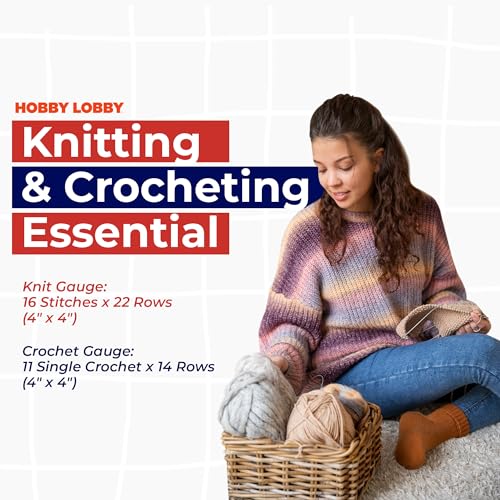
We recommend a gauge of 16-18 stitches over 4 inches on US size 7-9 needles or a size H-8 to I-9 crochet hook. For lace and open-work patterns that showcase the gradient, sizing up to a US 10 needle or J-10 hook creates beautiful drape. Always work a gauge swatch to ensure your finished piece matches the pattern dimensions—especially important for garments where fit matters.
Color Transitions & Striping Patterns
The magic of Yarn Bee Wrapology Hues lies in its carefully engineered color sequences. Each skein transitions through 4-6 coordinating hues in a gradient sequence, moving from deep saturated tones to soft pastels or from warm to cool shades depending on the colorway.
The striping repeats at consistent intervals, so you can predict where color changes will land in your project. This makes it easy to center a particular shade at the focal point of a shawl or balance color distribution across a rectangular wrap. The same smooth gradient technology found in our designer collections ensures no harsh lines between colors—each hue melts into the next for a watercolor effect. For contrast texture, pair Wrapology Hues with solid-colored yarns from our Eternal Bliss line in coordinating shades.
More Self-Striping & Gradient Yarns


What people are saying


Questions About Wrapology Hues Yarn
Most rectangular wrap patterns require 2-3 skeins of Wrapology Hues depending on the finished dimensions. A standard 60-inch by 20-inch wrap typically uses 2 skeins, while larger shawls or ponchos may need 3-4 skeins.
We recommend checking your pattern's yardage requirements and adding 10% extra for gauge variations. Each skein contains approximately 355 yards, so you can calculate totals before starting your project.
Yes, Wrapology Hues skeins within the same dye lot follow the same color sequence and repeat length. When working with multiple skeins, we recommend alternating between skeins every few rows to blend any subtle variations between dye lots.
For the most consistent color flow in large projects, purchase all skeins at once and check that dye lot numbers match. The color transitions are engineered to align, so you won't see abrupt jumps when starting a new skein.
While Wrapology Hues is soft and machine washable, we recommend yarns specifically labeled for baby use for blankets and garments intended for infants. The acrylic fiber is safe and non-allergenic, but baby-specific yarns undergo additional testing for safety standards.
That said, many crafters use Wrapology for toddler and children's accessories like scarves and hats. The easy-care properties make it practical for items that will be washed frequently, and kids love the rainbow color effects.
We recommend US size 7-9 knitting needles (4.5-5.5mm) or a size H-8 to I-9 crochet hook (5-5.5mm) for standard gauge projects. This produces a fabric with good stitch definition while maintaining the yarn's natural drape.
For lace shawls and open-work wraps, size up to US 10 needles (6mm) or a J-10 hook (6mm) to create an airy fabric that showcases the gradient. Always work a gauge swatch to confirm your hook or needle size achieves the pattern's recommended tension.
Wrapology Hues is engineered with long color runs specifically to create smooth gradients rather than pooling. The color sequences are designed to transition gradually over many yards, so pooling is rarely an issue with standard wrap and shawl patterns.
If you're working a narrow project like a scarf and notice colors clustering, try changing your stitch count by adding or subtracting 2-3 stitches. This shifts where color changes land in each row and helps distribute the gradient more evenly across the width of your fabric.
Wrapology Hues works beautifully for open cardigans, kimonos, and lightweight pullovers where the gradient can flow continuously from hem to shoulder. The soft drape makes it ideal for garments that need movement rather than structure.
We don't recommend it for fitted sweaters with set-in sleeves or complex shaping, since the color changes can emphasize increases and decreases. Stick with simple silhouettes like rectangular cardigans or raglan-sleeve designs where the gradient becomes a design feature rather than a distraction.
This yarn is optimized for drape and flow rather than stiffness, so it's not ideal for amigurumi or structured items like bags and baskets. The soft fiber won't hold the tight tension needed for stuffed toys, and the gradient effect can make small 3D shapes look busy.
For structured crochet projects, we recommend switching to a tighter-twist yarn with more body. Wrapology Hues truly shines in flat or lightly shaped accessories where the gradient transitions can display without distortion.