



Yarn Bee Lace Yarn – Lightweight Lace Weight for Delicate Projects
Our Yarn Bee lace yarn brings delicate beauty to every project. This lightweight, lace-weight yarn is perfect for creating airy shawls, intricate doilies, fine garments, and heirloom-quality accessories. We blend soft natural fibers to deliver excellent drape and breathability, so your finished pieces feel as lovely as they look.
Whether you're an experienced lace knitter or exploring your first openwork pattern, this yarn offers consistent twist and superior stitch definition. The generous yardage per skein means fewer joins in large projects, while the subtle sheen adds elegance to every row. We offer a curated palette of sophisticated colors — from classic neutrals to rich jewel tones — so you can find the perfect match for your creative vision.
- Lace weight (US 0 or Lace) — ideal for delicate shawls, wraps, and fine crochet
- Soft natural fiber blend for excellent drape and breathability
- High yardage per skein for fewer joins in large projects
- Consistent twist and stitch definition for intricate lace patterns
- Subtle sheen adds elegance to finished pieces
Fiber Composition & Weight
Yarn Bee lace yarn features a carefully balanced blend of natural fibers that deliver both strength and softness. The lace weight classification means you’ll work with a very fine yarn — typically requiring US size 0-3 needles for knitting or a steel hook for crochet. This delicate gauge allows you to create openwork patterns with beautiful negative space and intricate detail.
The fiber content ensures your finished lace holds its shape through blocking while maintaining a soft hand against the skin. Our blend offers excellent elasticity for complex stitch patterns, so your increases and decreases remain crisp and visible. If you’re exploring other natural options, our cotton and natural fiber yarns include heavier weights for everyday garments and accessories.
Best Projects for Lace Yarn
This yarn shines in projects that showcase openwork and drape. Shawls and wraps are the most popular applications — the high yardage per skein lets you complete large triangular or rectangular designs without multiple color changes. Lace scarves, stoles, and summer tops also benefit from the airy structure and breathability.
You can use Yarn Bee lace yarn for lightweight baby blankets, christening gowns, and delicate market bags. Crochet artists love it for thread-weight doilies, table runners, and vintage-inspired edgings. The fine gauge works beautifully for adding lace borders to garments or creating insertions in heirloom sewing projects. Pair it with our cotton yarn in heavier weights when you want to combine lace panels with solid knit or crochet fabric.
Color Selection & Yardage
Colorway Options
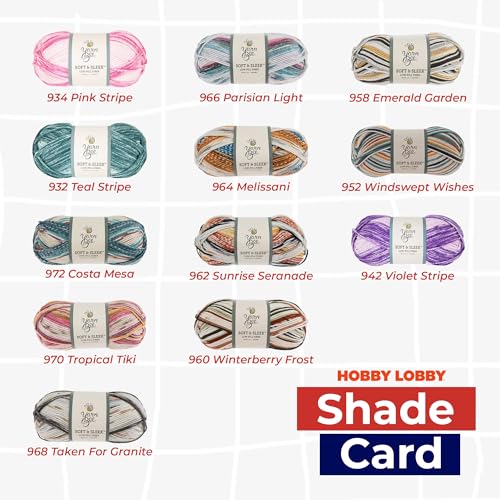
We curate our lace yarn palette to include timeless neutrals — ivory, soft gray, champagne, and charcoal — alongside statement colors like deep plum, emerald, ruby, and sapphire. Variegated and tonal options add subtle color shifts that enhance stitch patterns without overwhelming delicate lacework. Each colorway is dyed to ensure consistency across dye lots, though we recommend purchasing enough skeins for your project at once to avoid slight variations.
Yardage Per Skein
Each skein offers generous yardage — typically 400-800 yards depending on fiber content — so you can complete medium to large shawls with just one or two skeins. Check your pattern’s yardage requirements before starting, and consider purchasing an extra skein for swatching and gauge adjustment. Our bamboo yarn also offers lightweight options if you prefer a plant-based fiber with natural drape.
More Lightweight & Natural Fiber Yarns


What people are saying


Questions About Yarn Bee Lace Yarn
Most patterns call for US 0-3 needles (2.0-3.25 mm) for knitting or a steel crochet hook in similar sizes. Your exact needle size depends on your personal gauge and the fabric you want to create. Tighter gauges on smaller needles produce denser lace suitable for garments, while larger needles create airier shawls and wraps.
Always knit a swatch and block it before starting your project. Lace opens up significantly during blocking, so unblocked gauge measurements won't reflect your finished fabric. If your blocked swatch is too tight, move up a needle size; if too loose, size down until you match your pattern's gauge.
Yardage requirements vary by shawl size and pattern complexity. A small triangular shawlette typically needs 400-600 yards, while a large rectangular wrap may require 1,000-1,500 yards or more. Always check your pattern's yardage recommendation and purchase accordingly.
Yarn Bee lace yarn offers generous yardage per skein — often 400-800 yards depending on fiber content — so many medium-sized shawls can be completed with just one or two skeins. We recommend buying all skeins for your project at once to ensure consistent dye lots, and consider purchasing an extra skein if you're between sizes or want leftover yarn for swatching.
If you're new to lace knitting or crochet, this yarn is a great choice. The consistent twist and excellent stitch definition make it easier to see your work and catch mistakes early. The fiber blend offers enough elasticity to forgive minor tension variations while you learn.
Start with a simple lace pattern that has a short repeat — four to eight rows — so you can memorize the sequence quickly. Use lifelines (a contrasting thread woven through a completed row) every few repeats to give yourself a safe point to return to if you need to rip back. The natural fiber content blocks beautifully, so even if your tension isn't perfect, blocking will help even out your stitches.
Yes, you can machine wash Yarn Bee lace yarn on a gentle cycle in cool water. Use a mild detergent without optical brighteners, and place your finished item in a mesh laundry bag to protect delicate lace from snagging. After washing, gently press out excess water without wringing or twisting.
For best results, reblock your item after washing to restore its original dimensions and open up the lace pattern. Lay the damp piece flat on a blocking mat or towels, pin to shape, and allow to dry completely. This extra step keeps your lace looking crisp and professional wear after wear.
Lace weight yarn is significantly finer than fingering weight. Lace weight is typically classified as US 0 or Lace on the Craft Yarn Council's standard weight system, while fingering weight is US 1 or Superfine. Lace weight produces a more delicate, openwork fabric with greater drape.
If you substitute lace weight for fingering weight in a pattern, you'll need to adjust your needle size and expect a different finished fabric. Lace weight creates airier, more transparent results — perfect for shawls and wraps — while fingering weight produces slightly denser fabric suitable for socks and lightweight garments. Always swatch when substituting yarn weights to ensure your finished project meets your expectations.
The consistent twist in Yarn Bee lace yarn makes it easier to tink (unknit) back stitch by stitch when you catch a mistake in the current row. Insert your left needle into the stitch below the one on your right needle, slide the right needle out, and gently pull the working yarn to undo the stitch.
For mistakes several rows down, use a crochet hook to pick up dropped stitches or ladder up to the correct row. If you need to rip back multiple rows, thread a lifeline through a completed row below the mistake first, then pull out your needles and unravel to the lifeline. The natural fiber content froges minor handling during repairs, and the yarn doesn't split easily when you're picking up stitches.
Light to medium solid colors show lace stitch patterns most clearly. Ivory, champagne, soft gray, and pale jewel tones allow the eye to see every yarn-over and decrease without distraction. Dark colors like charcoal, navy, or deep plum can be striking but make it harder to see your work while knitting.
Avoid highly variegated yarns for complex lace patterns, as color changes can obscure stitch definition. Tonal colorways — subtle shifts within the same color family — work well for simpler lace that has larger openwork areas. If you're learning a new lace pattern, start with a light neutral color so you can easily see your progress and catch mistakes early.