



Yarn Bee Special Effects Yarn – Multi-Textured Novelty Yarn
Our Special Effects yarn transforms ordinary projects into extraordinary statement pieces with its dynamic multi-texture construction. Each skein combines smooth strands, plush loops, metallic accents, and ribbon-like segments that work together as you crochet or knit.
The self-striping color transitions create visual interest without complicated colorwork techniques, making it perfect for crafters who want impressive results with straightforward stitching. We designed this yarn for accessories, garment accents, and home décor items where texture takes center stage.
- Multi-fiber blend combining acrylic, polyester, and metallic threads
- Self-striping color sequences with coordinating texture zones
- 100g (3.5 oz) skeins with approximately 142 yards per ball
- Bulky weight (#5) for quick project completion
- Machine washable on delicate cycle, lay flat to dry
Fiber Composition & Texture Details
We blend multiple fiber types in Yarn Bee Special Effects to achieve its signature dimensional quality. The acrylic base provides structure and washability, while polyester segments add sheen and drape.
Metallic threads woven throughout catch light at different angles, creating subtle sparkle that enhances every stitch. The varying textures—from smooth cord to looped boucle to flat ribbon—alternate in coordinated sequences that eliminate the guesswork from texture placement.
Working with Multi-Textured Yarn
Stitch Selection for Best Results
Simple stitches showcase Special Effects yarn most effectively because they let the fiber do the visual work. We recommend single crochet, half double crochet, or basic garter stitch for knitting.
Complex stitch patterns can obscure the texture variations, so save your cable work and lace charts for smooth yarns. The bulky weight works up quickly—expect a standard scarf to take 3-4 hours of active crafting time.
Color Palettes & Project Applications
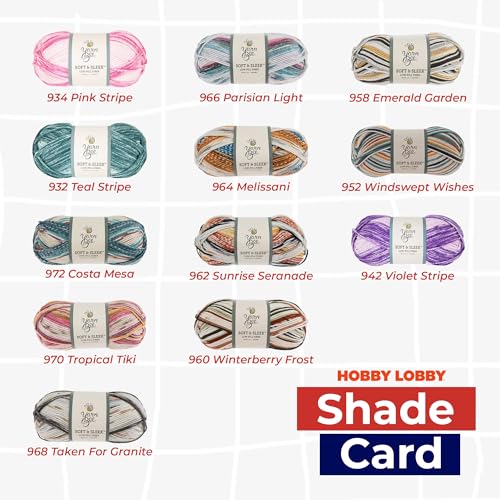
We offer Special Effects in colorways that range from subtle tone-on-tone transitions to bold contrast sequences. The “Midnight Celebration” colorway alternates deep navy with silver metallics and royal purple accents, while “Desert Sunset” moves through terracotta, gold, and cream with copper threads.
Recommended Project Types
Accessories like infinity scarves and slouchy berets make ideal first projects because they require minimal shaping while maximizing visible surface area. The texture variations create visual interest that reduces the need for complicated construction techniques.
More Textured & Novelty Yarns from Our Collection


What people are saying


Questions About Special Effects Yarn
Special Effects works well for garment accents like collars, cuffs, and yokes where you want dimensional texture without bulk throughout the entire piece. We recommend it for shrugs, vests, and cardigans where the textured areas enhance rather than dominate.
Full sweaters in this yarn can feel heavy due to the bulky weight and multi-fiber construction, so consider using it strategically combined with smooth yarn in coordinating colors for the body of larger garments.
Work through texture transitions with consistent tension, allowing each fiber type to sit naturally without forcing uniformity. When you encounter a ribbon segment, let it lay flat rather than twisting it.
Boucle loops should face outward, and metallic threads need gentle handling to avoid breakage. The engineered construction places transitions logically, so if you maintain your established rhythm, the textures integrate smoothly without requiring special techniques.
Join new skeins at the edge of your work rather than mid-row to avoid a visible transition point where texture sequences might not align perfectly. Use a Russian join or spit splice for the smooth acrylic sections, but switch to a simple overlap-and-crochet method when you reach textured segments.
The multi-fiber construction makes traditional invisible joins challenging, so we recommend embracing visible but tidy joins that become part of the overall dimensional aesthetic. Weave ends into areas where texture naturally obscures them.
The metallic components are woven into the yarn structure rather than loosely wrapped, which provides durability during both crafting and wear. Snags can occur if you catch the finished item on rough surfaces, but they typically push back into place with gentle manipulation.
Avoid storing projects where jewelry, velcro, or rough hardware might catch the threads. With normal wear and proper washing in a mesh bag, the metallic elements maintain their integrity through the life of your project.
Yes, but choose patterns with simple stitch work where texture can enhance rather than compete with the design. Patterns calling for colorwork, cables, or intricate lace won't showcase Special Effects effectively since the fiber variations provide their own visual complexity.
Verify your gauge matches the pattern requirements, keeping in mind that the textured sections may measure differently than smooth bulky yarn. We recommend adding 10-15% extra yardage to account for how the dimensional construction uses length differently than single-strand yarn.
We recommend starting with a US size 10 (6mm) hook or needle for accessories where you want good drape with visible texture definition. Size 9 creates denser fabric suitable for bags or baskets, while size 11 produces a looser, airier fabric for lightweight shawls.
The different fiber types respond to tool size variations more dramatically than single-fiber yarns, so swatching with your specific project type in mind helps determine whether you want the textures compressed or spread out. Drape also changes after blocking, so factor that into your tool selection.
A 16-inch square pillow cover worked in single crochet requires approximately 3 skeins, while an 18-inch cover needs 4 skeins. These estimates assume you're working the front and back as separate pieces with a simple seam construction.
If you're adding texture-enhanced details like ruffles or dimensional borders, plan for an additional skein. The bulky weight creates substantial fabric quickly, but the multi-texture construction uses slightly more yardage than equivalent smooth bulky yarn due to how the different fibers interact within each stitch.