Cotton Yarn: Premium Natural Fiber for Every Project
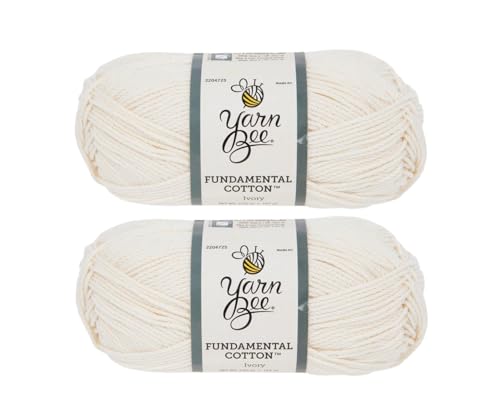
Yarn Bee Cotton Classic
This premium yarn bee cotton yarn offers exceptional softness and durability for everyday crafting projects. The classic weight provides excellent stitch definition while maintaining comfortable handling throughout extended crafting sessions.

Yarn Bee Soft Cotton
Ultra-soft yarn bee cotton yarn specially treated for enhanced comfort and drape. Perfect for baby items, lightweight garments, and delicate accessories that require gentle touch against sensitive skin.
Yarn Bee Cotton Blend
Innovative yarn bee cotton yarn combining natural cotton fibers with synthetic elements for enhanced durability and performance. Offers the best of both worlds for modern crafters.
Understanding Cotton Yarn Quality and Construction
The quality of yarn bee cotton yarn depends heavily on the fiber source and manufacturing process used during production. Premium cotton yarns start with long-staple cotton fibers that create smoother, stronger threads with fewer loose ends.
Mercerization is a key process that transforms regular cotton into lustrous, stronger yarn bee cotton yarn. This treatment involves treating the cotton with sodium hydroxide under tension, which causes the fibers to swell and straighten. The result is yarn with improved dye absorption, increased strength, and enhanced sheen that rivals silk.
Plying refers to how individual threads are twisted together to form the final yarn. Single-ply yarn bee cotton yarn offers a softer hand feel but may be more prone to pilling, while multi-ply construction provides superior durability and stitch definition for intricate pattern work.
Best Projects for Cotton Yarn Applications
Cotton yarn excels in warm-weather garments due to its natural breathability and moisture-wicking properties. Tank tops, summer cardigans, and lightweight shawls made with yarn bee cotton yarn provide comfort during hot seasons while maintaining structure and shape.
Home décor projects showcase cotton yarn’s durability and easy-care characteristics. Dishcloths, placemats, and pot holders benefit from cotton’s heat resistance and ability to withstand frequent washing. The natural fiber content ensures these items remain hygienic and fresh through repeated use.
Baby and Children’s Items
Yarn bee cotton yarn is particularly well-suited for baby blankets, booties, and clothing due to its hypoallergenic properties. The natural cotton fiber allows delicate skin to breathe while providing gentle warmth and comfort.
Amigurumi and toy projects gain structure and durability from cotton’s firm hand feel. Unlike wool, which can felt over time, yarn bee cotton yarn maintains its shape and texture through play and washing, making it ideal for cherished handmade toys.
Cotton Yarn Care and Maintenance Tips
Proper care extends the life and beauty of projects made with yarn bee cotton yarn. Pre-washing yarn before beginning projects prevents unexpected shrinkage and ensures color stability throughout the crafting process.
Machine washing cotton items requires attention to water temperature and detergent selection. Cold to warm water prevents excessive shrinkage while thoroughly cleaning the natural fibers. Avoid bleach-based detergents that can weaken cotton fibers over time.
Drying Techniques
Air drying preserves the integrity of yarn bee cotton yarn better than high-heat machine drying. Lay flat to dry for best results, reshaping items while damp to maintain proper dimensions. If machine drying is necessary, use low heat settings and remove items while slightly damp.
Storage considerations include keeping cotton yarn in breathable containers away from direct sunlight. Cedar blocks or lavender sachets naturally deter insects without introducing harsh chemicals that could affect the natural fibers.
Color Selection and Dyeing Properties
Cotton’s excellent dye absorption makes yarn bee cotton yarn available in an extensive color palette ranging from subtle neutrals to vibrant jewel tones. The natural protein structure of cotton fibers bonds well with both synthetic and natural dyes.
Colorfast properties vary depending on the dyeing method used during manufacturing. Fiber-reactive dyes create permanent bonds with cotton molecules, resulting in yarn bee cotton yarn that resists fading even after numerous wash cycles.
Color Coordination Tips
When planning multi-color projects, consider how different cotton yarn dye lots may vary slightly in shade. Purchase all yarn from the same dye lot when possible, or deliberately incorporate slight color variations as design elements.
The matte finish of most yarn bee cotton yarn creates subtle color depth that differs from the shine of synthetic alternatives. This characteristic makes cotton particularly suitable for projects where natural fiber appearance is desired over artificial luster.
Comparing Cotton to Alternative Yarn Fibers
Acrylic yarns offer convenience and affordability but lack the breathability and natural feel of yarn bee cotton yarn. While synthetic options resist moths and mildew, they can trap moisture and create uncomfortable wearing conditions in warm weather.
Wool provides excellent insulation but requires more careful handling than cotton alternatives. Yarn bee cotton yarn offers similar durability with easier care requirements, making it more practical for everyday items and beginner crafters.
Bamboo and Plant-Based Alternatives
Bamboo fibers share cotton’s breathability while offering enhanced softness and natural antibacterial properties. However, bamboo yarn options typically cost more than traditional cotton and may have different gauge requirements.
Linen provides similar durability to yarn bee cotton yarn but with a distinctly different texture and drape. Cotton offers more stretch and flexibility, making it better suited for fitted garments and structured accessories.
Blended Options
Cotton-synthetic blends combine the best properties of natural and manufactured fibers. These yarn bee cotton yarn variations offer improved elasticity and wrinkle resistance while maintaining much of cotton’s natural comfort and breathability.
Advanced Techniques with Cotton Yarn
Blocking cotton projects requires different techniques than wool or acrylic alternatives. Steam blocking works well with yarn bee cotton yarn, allowing crafters to adjust sizing and smooth stitch irregularities without risking fiber damage.
Textural techniques like bobbles, popcorn stitches, and cables show beautifully in cotton yarn due to its firm structure and excellent stitch definition. The yarn holds complex patterns without losing shape over time.
Colorwork Considerations
Stranded colorwork benefits from cotton’s minimal stretch, which helps maintain consistent tension across different colored sections. Yarn bee cotton yarn creates crisp, clear pattern definition in Fair Isle and intarsia techniques.
Lace patterns showcase cotton’s ability to hold open, airy designs while providing enough structure for intricate details. The natural drape allows textured patterns to display beautifully without excessive blocking.
Finishing Techniques
Seaming cotton projects requires attention to the yarn’s characteristics. The natural fiber grips well during sewing, creating secure seams that won’t separate under normal wear. However, the lack of elasticity means seams should be sewn with slight ease to prevent pulling.
Edging and border treatments gain stability from yarn bee cotton yarn’s structure. Ribbing, seed stitch, and garter borders maintain their shape without curling or stretching out of proportion over time.
Choosing the Right Cotton Yarn for Your Next Project
Selecting quality yarn bee cotton yarn transforms ordinary crafting projects into lasting treasures that improve with age and care. The natural properties of cotton fiber provide unmatched comfort, durability, and versatility across a wide range of applications from delicate baby items to sturdy household accessories.
Understanding cotton yarn’s unique characteristics enables crafters to make informed decisions about project planning, care requirements, and finishing techniques. The investment in premium yarn bee cotton yarn pays dividends through improved project outcomes and enhanced crafting satisfaction.
Whether you’re creating heirloom pieces for family members or practical items for daily use, cotton yarn delivers consistent performance and beautiful results. The natural fiber’s ability to breathe, its hypoallergenic properties, and excellent washability make it a smart choice for modern crafters who value both beauty and functionality.
As you plan your next project, consider how yarn bee cotton yarn can elevate your crafting experience through superior quality, extensive color options, and reliable performance that stands the test of time.